Mechanisation in Conservation Agriculture: How a Kakamega Fabricator is Driving Climate-Smart Change
Mechanisation in Conservation Agriculture: How a Kakamega Fabricator is Driving Climate-Smart Change
By PAFID Kenya – Kakamega County
Mechanisation is increasingly becoming a critical driver of climate-smart agriculture in Kenya.
In Kakamega County, one local artisan is proving that innovation at the grassroots can transform
farming systems, reduce production costs, and improve productivity.
Engineer Washington Mukabana, a Mechanization Service Provider (MSP) and local fabricator,
has for many years offered conventional disc ploughing services to farmers. However, this approach
disturbs soil structure, consumes high amounts of fuel, and requires significant time to prepare land.
Today, Washington is championing minimum tillage through ripping, a core principle of Conservation Agriculture.
From Conventional Ploughing to Climate-Smart Mechanisation
Washington’s transition began after engaging with PAFID’s Agricultural Consultant, Collins Ongu,
who introduced him to minimum tillage technology. Through training and field discussions facilitated
by PAFID, Washington learned that ripping:
- Minimizes soil disturbance
- Preserves soil structure and moisture
- Reduces fuel consumption
- Saves time during land preparation
- Improves profitability for both farmers and service providers
“The tractor implement uses less fuel compared to disc ploughing. It is more effective and profitable.”
Investing in Local Innovation
Previously, Washington had been hiring a ripper from Busia at a cost of Ksh 1,000 per day.
Recognizing the growing demand for Conservation Agriculture services in Kakamega,
he decided to fabricate his own ripper locally.
In mid-December 2021, he began assembling materials at his workshop.
By the end of January 2022, he had successfully fabricated a 3-tine ripper implement
at a total cost of Ksh 195,000.
“You created a demand for ripping in this county. I have to fill the gap by reaching every adopting farmer with this noble service.”
Measurable Economic Benefits
| Practice | Fuel Consumption | Time Required |
|---|---|---|
| Disc Ploughing | 8 litres per acre | 60 minutes |
| Ripping | 4 litres per acre | 30 minutes |
This represents a 50% reduction in fuel costs and time per acre,
increasing tractor productivity and profitability while lowering farmer production costs.
Expanding Opportunities: Jobs and Food Security
Washington plans to fabricate additional rippers for other MSPs, promote climate-smart
land preparation, and train farmers on minimum tillage practices.
This initiative contributes to job creation, localized equipment production,
and improved food security in the region.
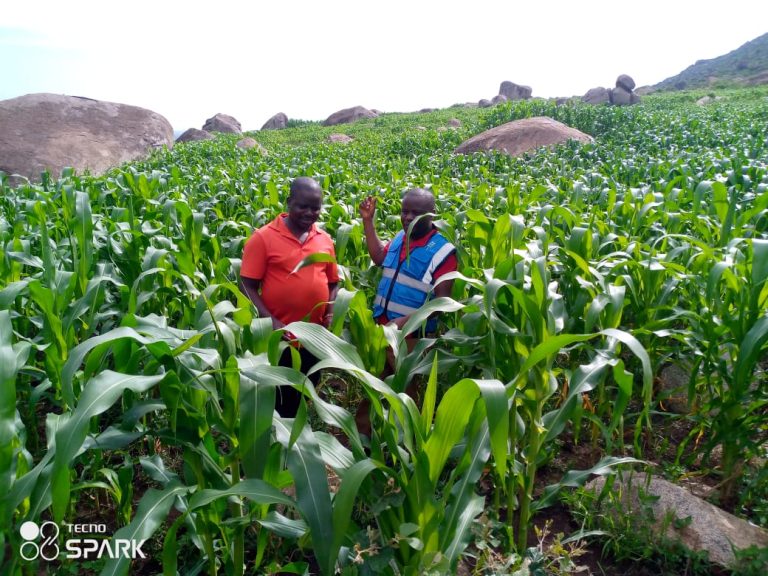
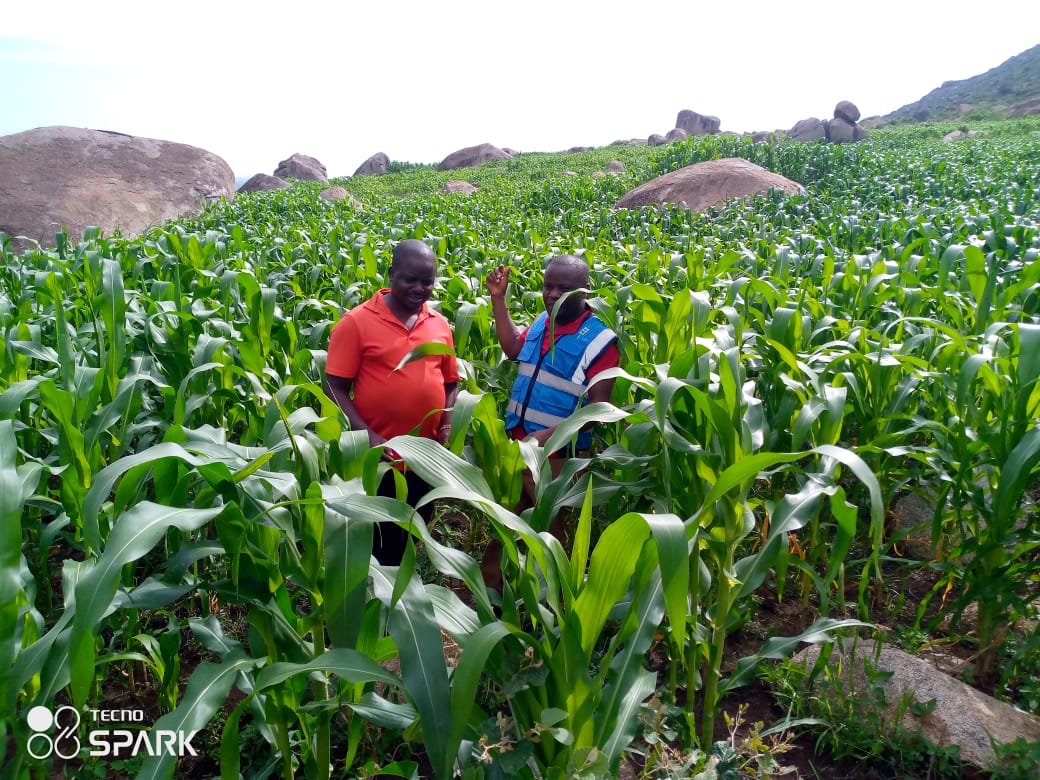
Field Highlights
Interested in Conservation Agriculture Mechanisation?
Contact PAFID Kakamega County Office to learn more about ripping services
and climate-smart land preparation technologies.